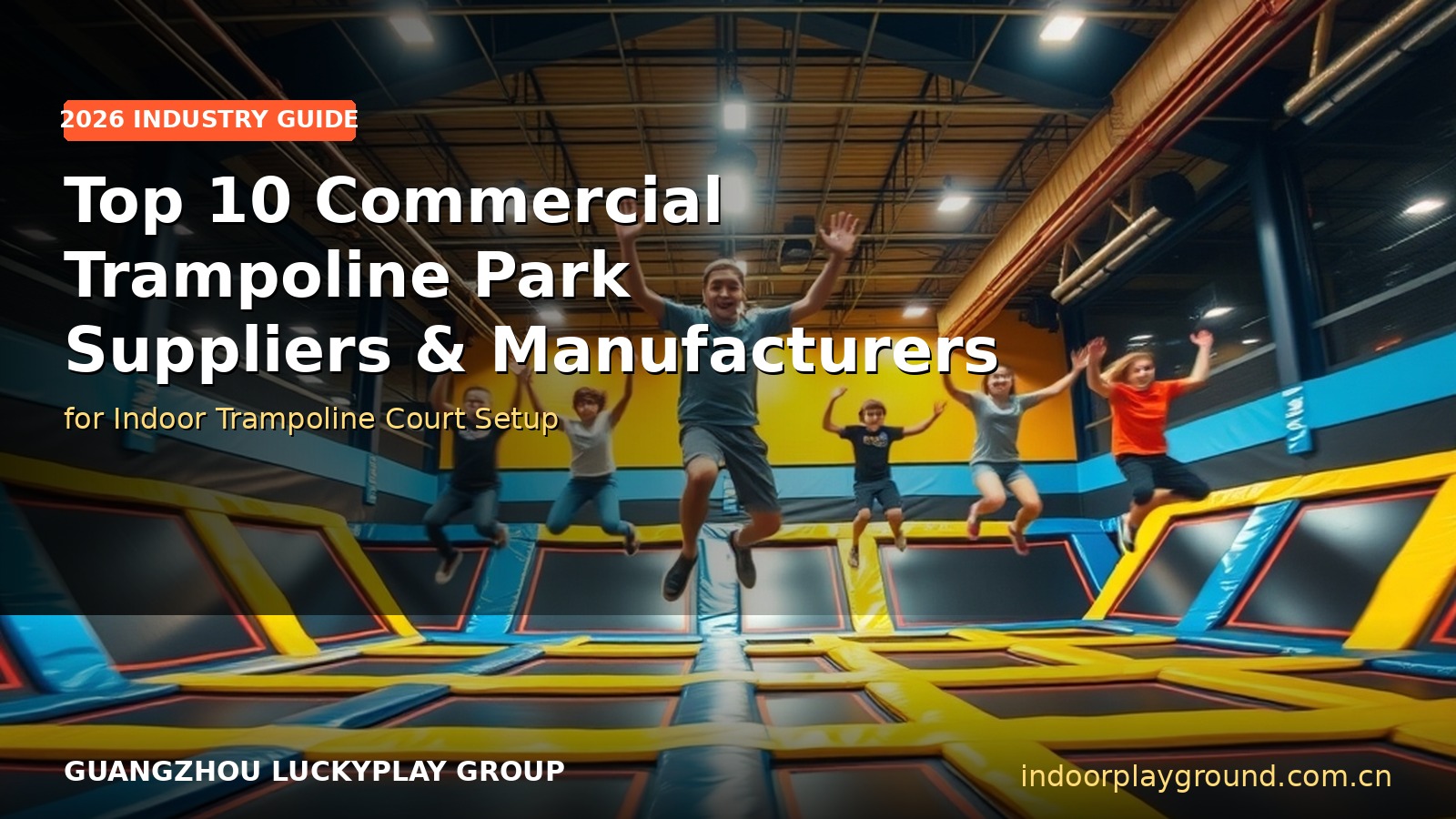
Top 10 Commercial Trampoline Park Suppliers & Manufacturers for Indoor Trampoline Court Setup (2026)

Why the Trampoline Park Business Still Prints Money in 2026
Two decades after the first commercial parks opened, trampoline parks remain one of the strongest ROI categories in family entertainment. Industry brands you likely already know — Urban Air, Sky Zone, Get Air, Altitude, Rush Fun Park, Gravity Vault, Jumpstreet, Flight, Bounce Inc., Flip Out, AirMaxx, Airhop, Abenteuerland, Maxx Arena, Hope Arena, Launch — have proven that a well-designed indoor court can generate USD $500K–$1M in retained profit per year on an average 30,000 sq ft footprint in the North American market. Emerging markets in the Middle East, Southeast Asia, and Latin America are following the same curve.The catch: the profit spread between a top-quartile operator and the rest of the pack is almost entirely a function of two decisions made before you open the doors — who manufactures your equipment, and which attractions you combine into the court.What Goes Into a Modern Commercial Trampoline Park
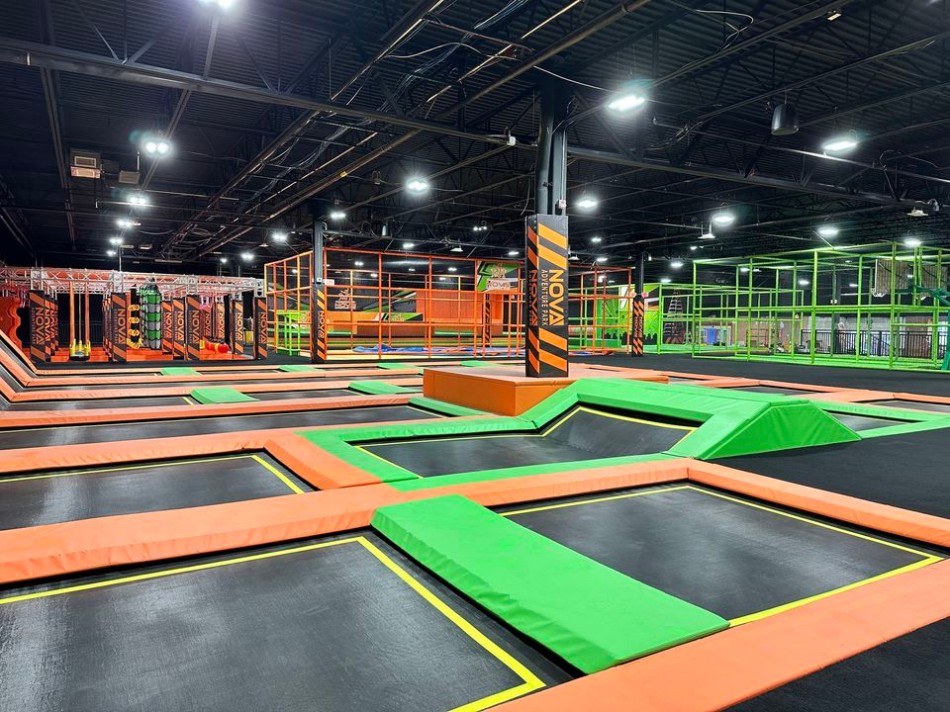
A revenue-optimized park in 2026 is no longer a single free-jump grid. It is a portfolio of attractions that raise per-guest dwell time and give social groups multiple reasons to return. The core categories:- Main Free-Jump Court — the anchor. Interlocked trampoline beds with padded angled walls.
- Foam Pit & Airbag Landing — high-perceived-value photo zones where guests can attempt flips safely.
- Dodgeball Court — the highest re-use attraction; tournament formats drive league revenue.
- Sky Slam / Basketball Lanes — trampoline dunk lanes; near-universal social-media generator.
- Battle Beams, Rollers & Wipeout — competitive obstacle attractions for teens and adults.
- Ninja Warrior Obstacle Course — cross-fit demographic; adds evening and adult-hours revenue.
- Climbing Walls & Clip’n Climb — auto-belay walls that operate with minimal staffing.
- High Ropes & Zip Attractions (Sky Rider) — vertical use of ceiling space that most operators forget to monetize.
- Donut Slides, Fly Slides, Spiral Slides — repeat-visit magnets for the 6–14 demographic.
- Toddler / Soft Play Zone — the highest-margin attraction per square meter; drives weekday-morning parent traffic.
- Interactive Wall Games & AR/Projection — the fastest-growing category in 2025–2026.
The Safety Standards That Actually Matter
This is the non-negotiable filter. Regulators are increasingly aggressive, insurance underwriters are stricter every renewal, and a single major incident on non-compliant equipment can shut a park down. Any manufacturer on your shortlist should be able to show you the certificates for the following standards:- ASTM (Americas): F1487, F1918, F2970 (trampoline courts), F381, F3101, F2959, F963 (children’s products), E1354 (flammability).
- EN / TÜV (Europe): EN 1176-1, EN 1176-3, 2PfG 2694, EN 15567-1 (rope courses), EN 71-1, EN 1177 (impact-attenuating surfacing), EN-ISO 23659:2022 (the current international trampoline park standard).
- CPSC (US): CH-E1001, CH-E1002.
- Regional: AS 4685 / AS 4686.1.3 & AS 3533.4.2 (Australia), CAS Z614:20 (Canada).
Top 10 Commercial Trampoline Park Manufacturers for 2026
The list below is compiled from project volume, category depth, standards coverage, and the manufacturers actively selling turnkey commercial trampoline parks into international markets in 2025–2026. Ranking reflects breadth of offering and delivery capability, not endorsement — you should always shortlist three and compare.1. Guangzhou Luckyplay Group
Website: https://indoorplayground.com.cn/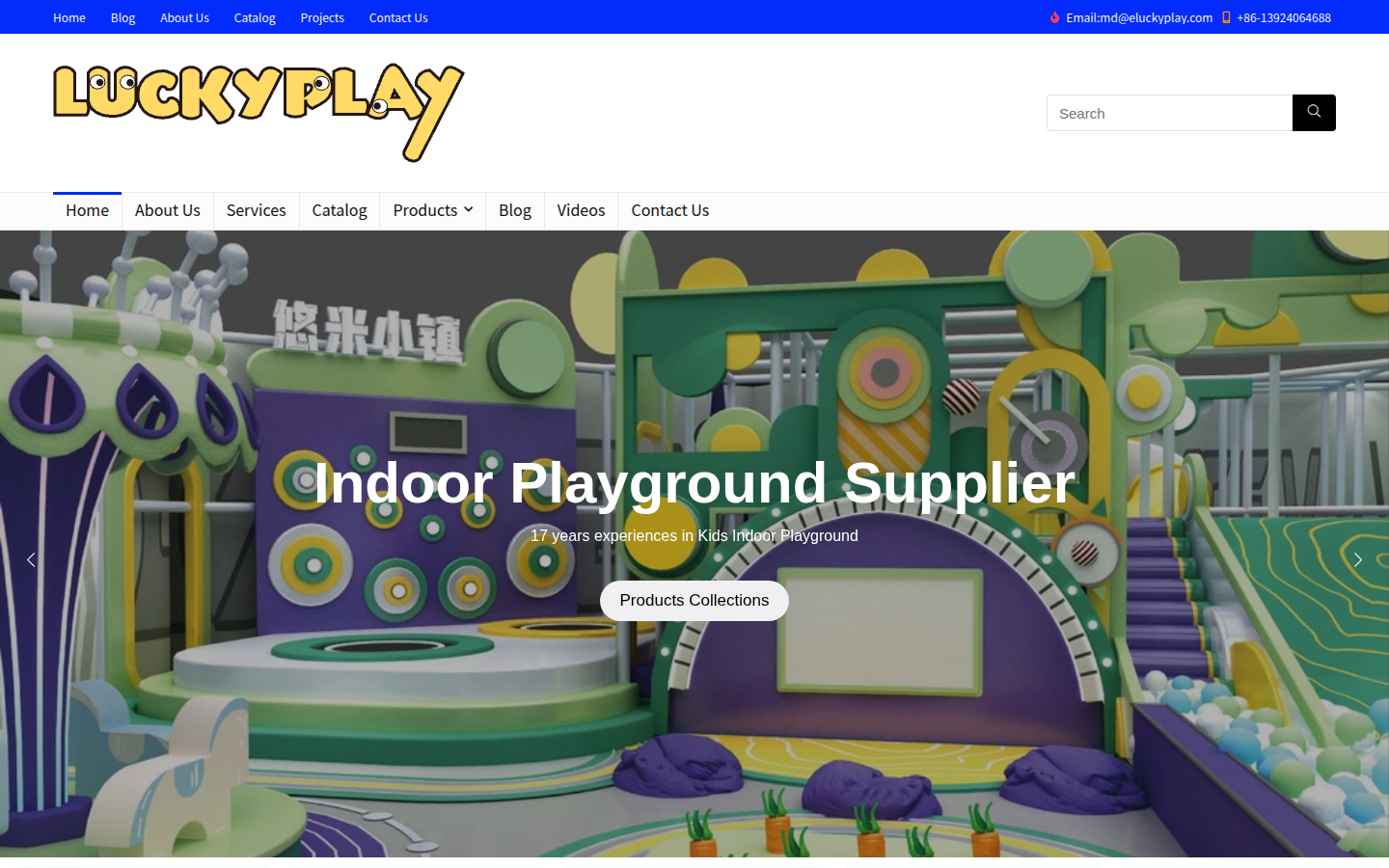 The Luckyplay Group product portal at indoorplayground.com.cn — browse catalog, live projects, and 360° park tours.
- One standard of quality for every project. Small 200 m² parks and 3,000 m² flagship centers ship with the same certified materials.
- Transparent pricing. Every catalog SKU carries a public price; you will not be quoted differently because of your country.
- Design → shipping → installation → maintenance handled in-house, so accountability sits with a single vendor.
- Repeat customers — more than a third of first-time buyers open a second location, and typically re-order from the same supplier because the layout is already engineered.
2. Best American Trampoline Parks
Website: https://trampolinepark.com/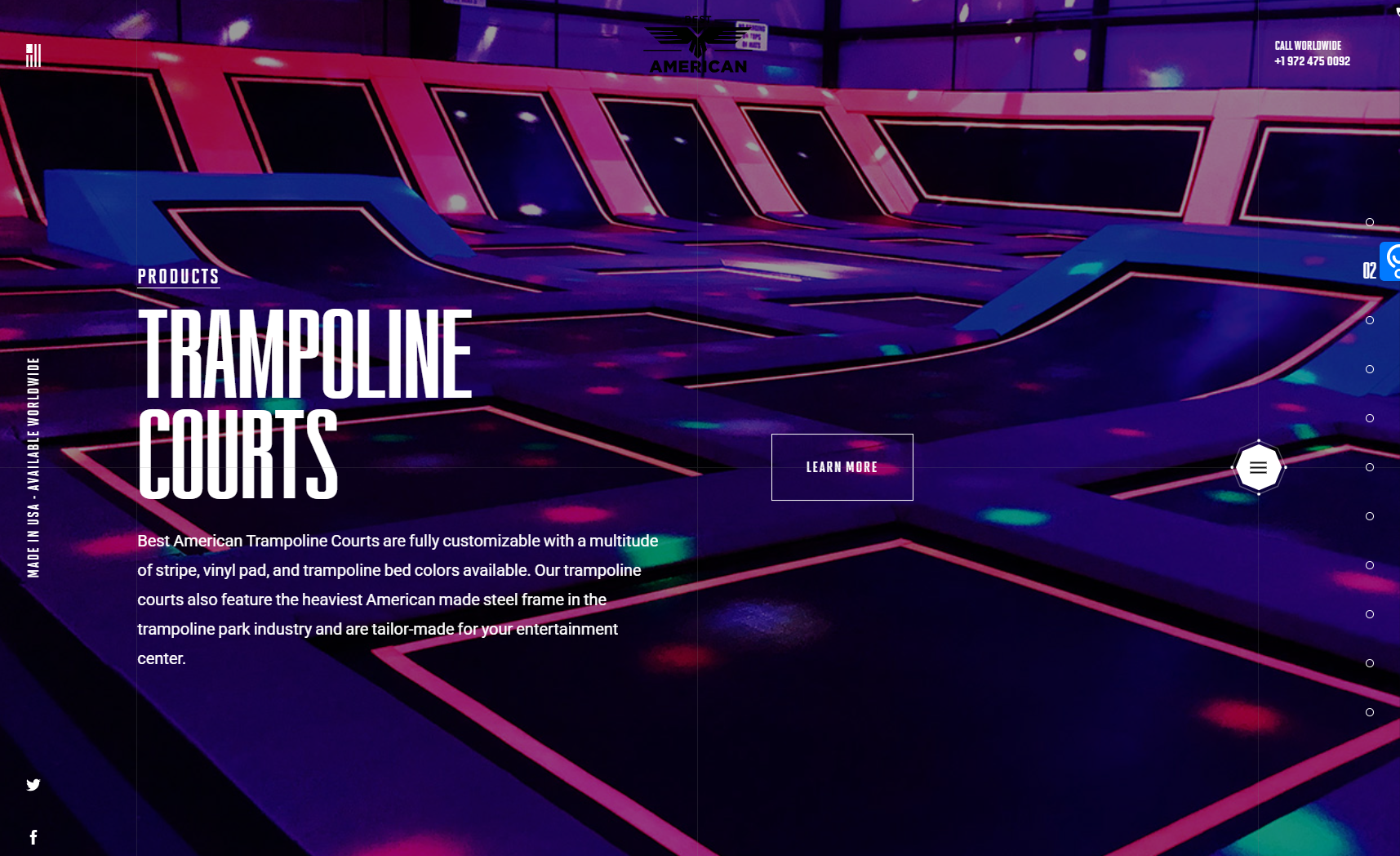 A US-based, family-owned manufacturer with roots going back to 1978, Best American Trampoline Parks has designed, manufactured, and equipped over 200 trampoline parks worldwide. The company positions itself heavily on domestic engineering and long-standing operator relationships, and is a common choice for North American developers who want US-manufactured steelwork and support contracts.
3. Dreamland Playground
Website: https://www.dreamlandplayground.com/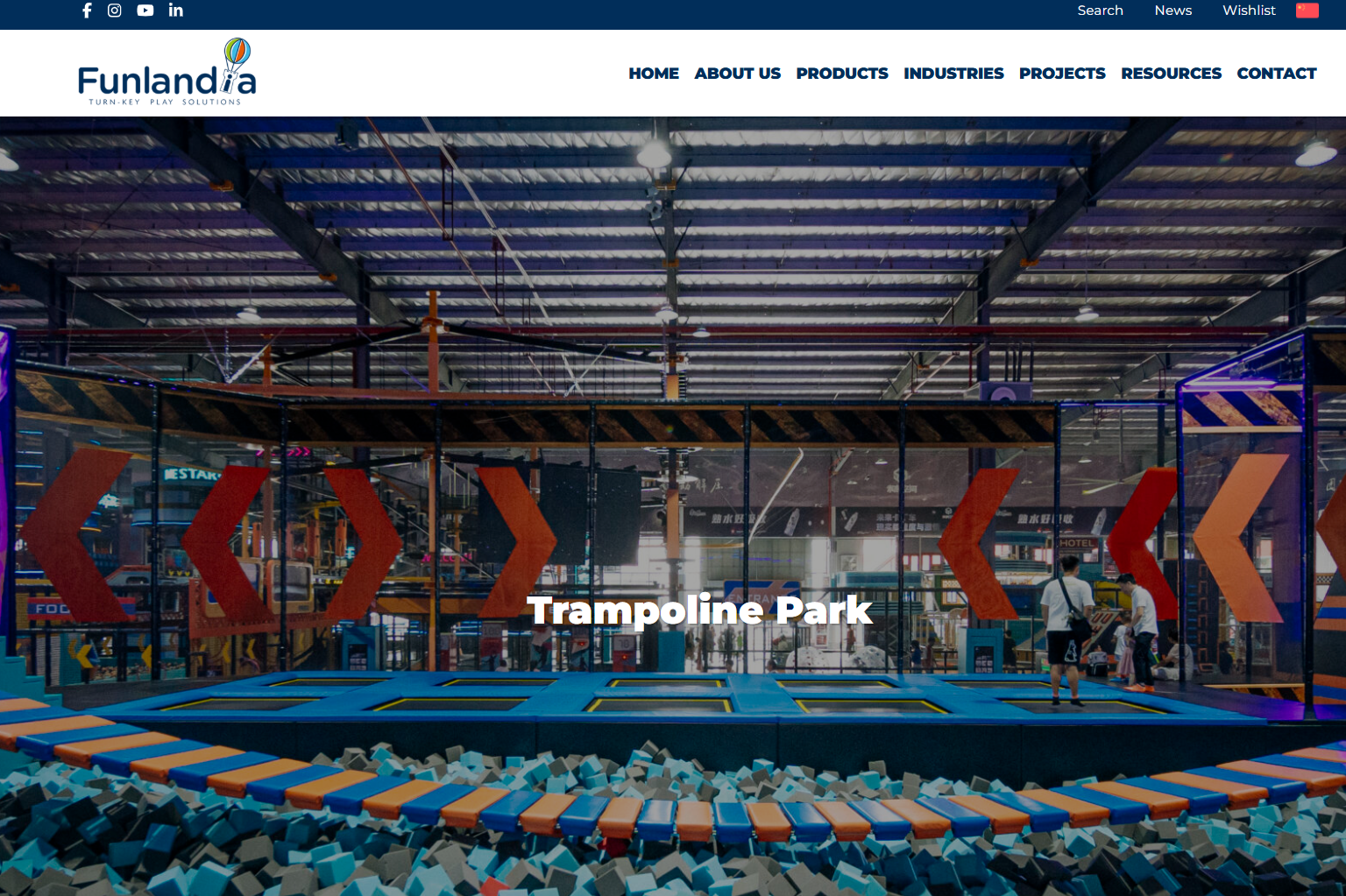
4. Funlandia
Website: https://funlandia.com/Founded in 2007, Funlandia has grown into one of the largest indoor-play manufacturers worldwide, with over 3,000 completed projects globally. The catalogue spans 20+ product series covering every age band from toddlers to adults, and the company markets itself under a family-play thesis — building attractions that encourage physical and social development. Broadest product range in the top 10.5. Next Level Parks
Website: https://nextlevelparks.com/
6. Fun Spot
Website: https://www.funspot.com/With more than 40 years in the leisure industry, Fun Spot supplies climbing walls, trampolines, Clip’n Climb systems, rope courses, ninja attractions, and indoor playgrounds as a one-stop shop. Their positioning — “we succeed when our customers succeed” — matches a service-first sales motion, and the brand is well established in French-speaking Europe and Canada.7. Airparx (Airquee Group)
Website: https://airparx.com/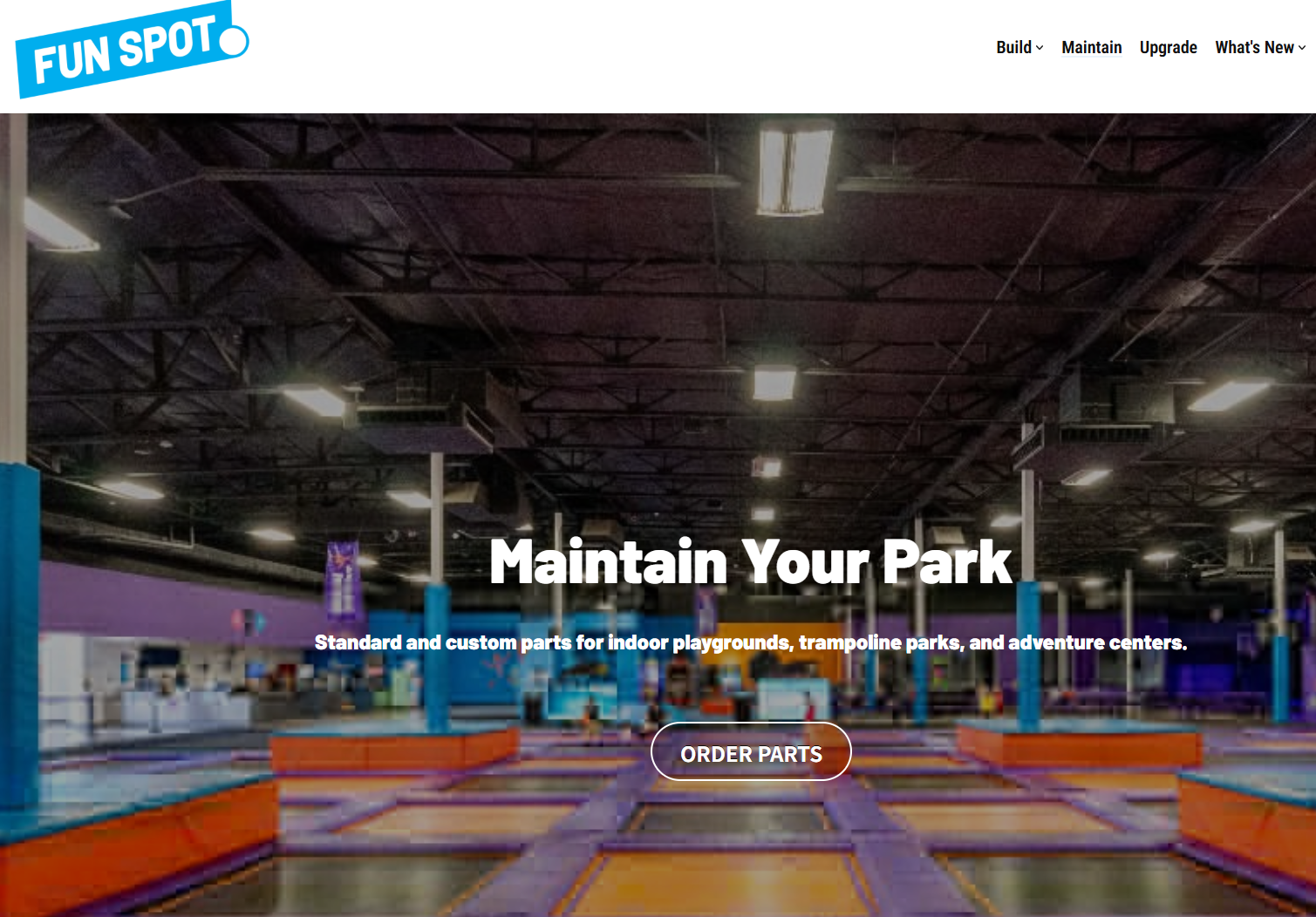
8. Cheer Amusement
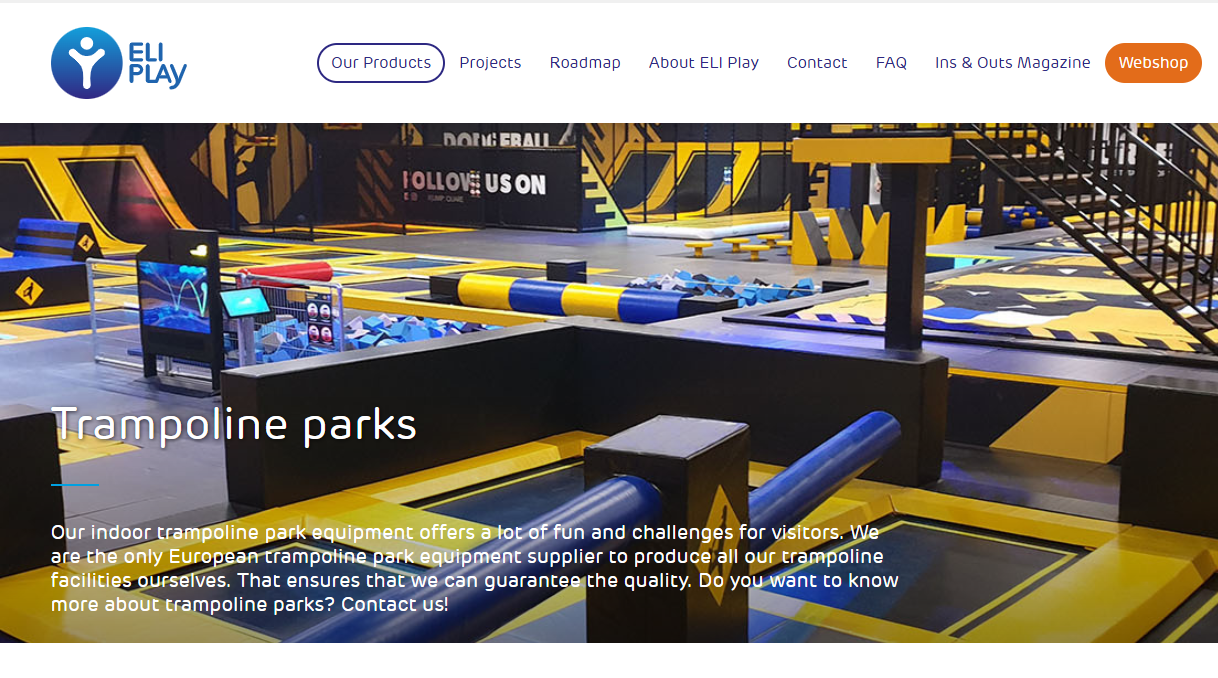
Website: https://www.cheeramusement.com/Founded in Nanjing in 1994, Cheer Amusement is one of the longest-tenured Chinese manufacturers of indoor play and trampoline systems. The company covers toddler play, ball-blaster arenas, motion soft play, interactive systems, sculpture soft play, themed decoration, inflatable/airtight systems, challenge courses, and trampoline parks. Standards coverage includes ASTM, CPSIA, UL94, NFPA701 (North America) and EN 1176-77 part 10 / CE (EU).9. ELI Play
Website: https://eliplay.com/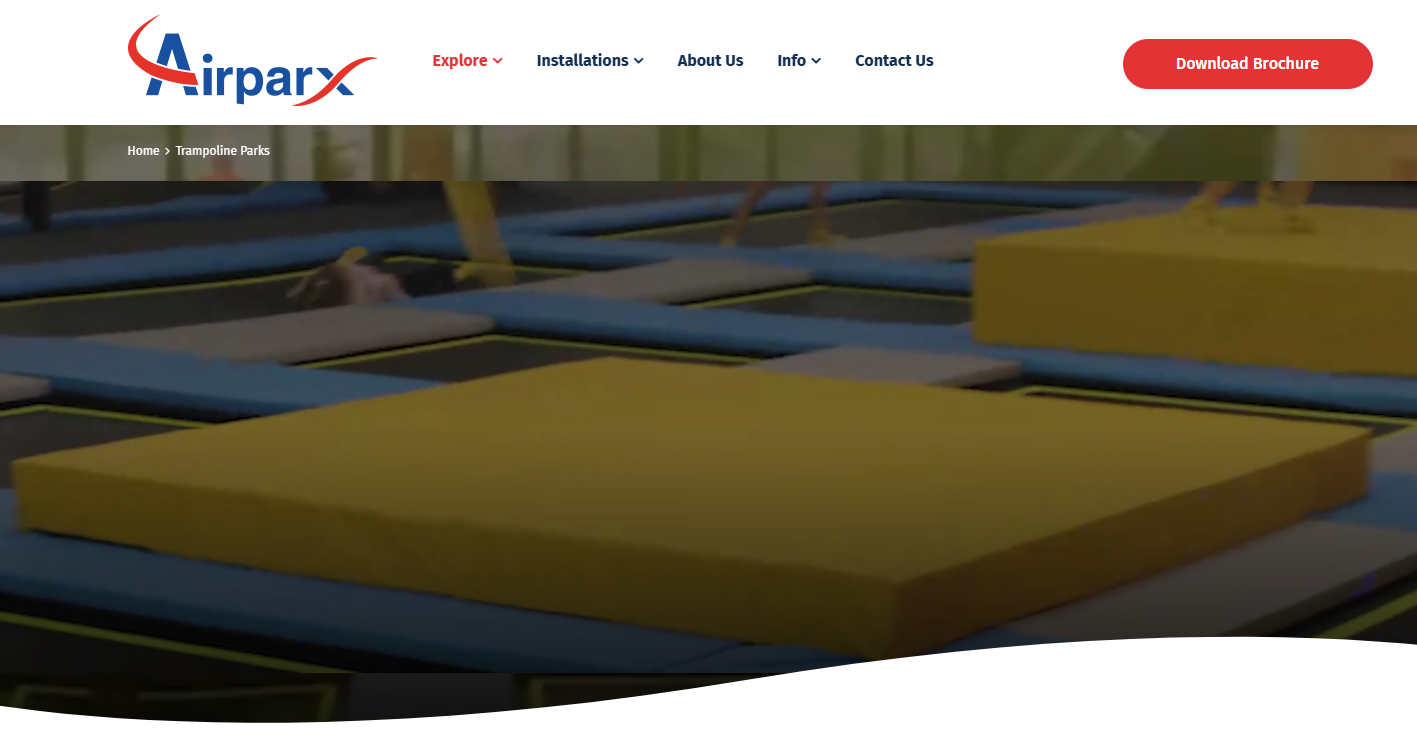
10. iPlayCo
Website: https://www.iplayco.com/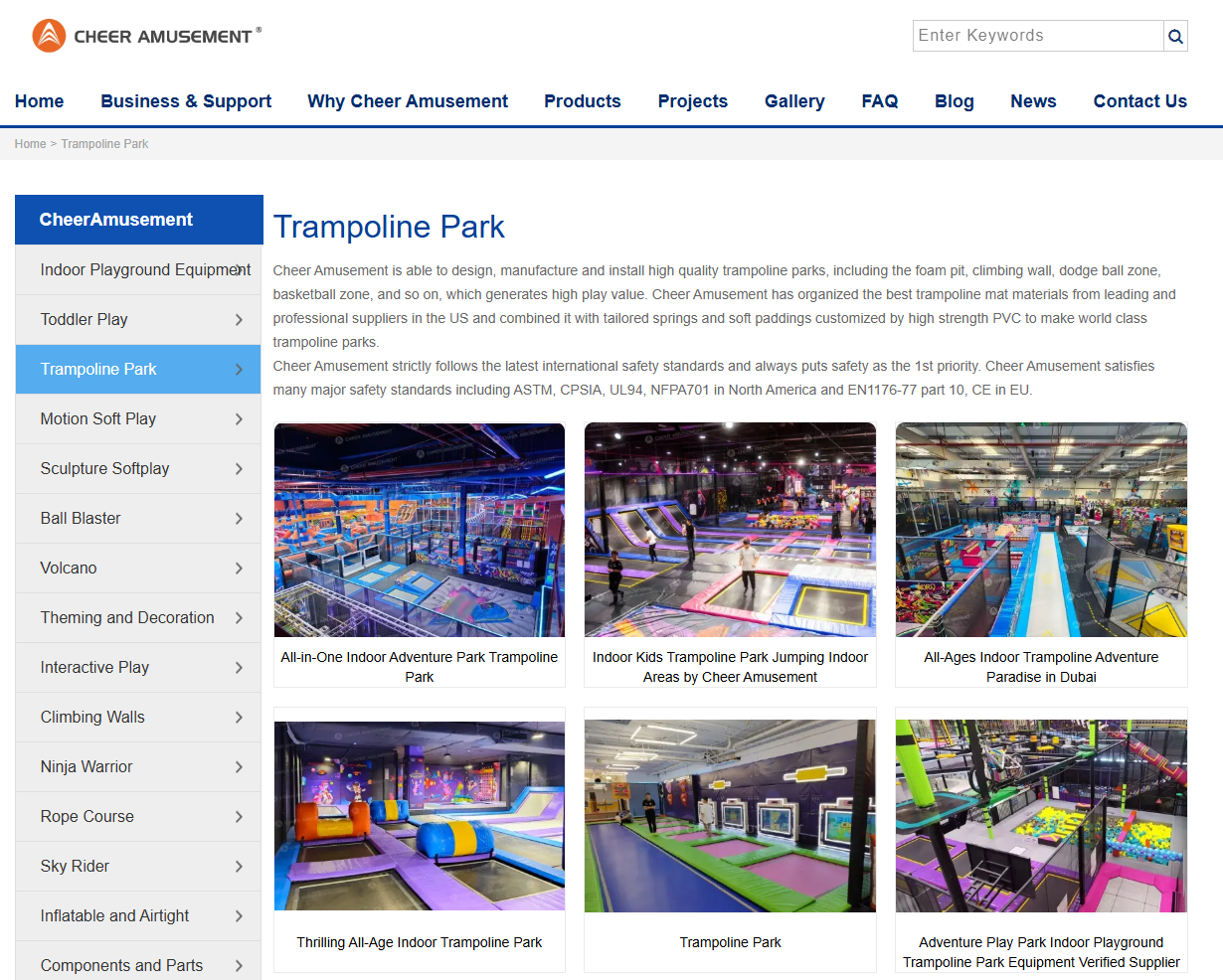
How to Actually Shortlist a Manufacturer
- Request live certificates. Ask for third-party test reports for ASTM F2970 and EN-ISO 23659:2022 covering the exact SKUs on your quote — not marketing brochures.
- Insist on a written safety-standard warranty. Any credible manufacturer will state, in the contract, that they will refund the full value of the park if independent auditors find substandard materials versus the certifications provided.
- Compare full delivered cost. Freight, tariffs, and installation frequently equal 25–40 % of the FOB equipment price. Get all three itemized.
- Talk to two live customers. Reputable manufacturers will connect you with operators of similar-sized parks in your region.
- Verify the design capacity. A layout that maxes throughput on paper can fail once you add locker rooms, party rooms, F&B, and queuing space. Make the designer submit an operational-capacity model, not just a rendering.
Combining the Right Attractions for Your Market
- Suburban US, 25,000–35,000 sq ft, high family density — free jump 35%, dodgeball 10%, foam/airbag 10%, sky slam 5%, ninja 10%, climbing 5%, toddler soft-play 15%, F&B/retail 10%.
- Middle East mall pad, 1,200–2,500 m², limited ceiling — free jump 30%, interactive wall games 15%, role-play city 20%, toddler 20%, retail 15% (mall traffic converts differently — go wider on interactive, lower on ninja).
- European city center, compact 800–1,200 m² — free jump 25%, ninja/obstacle 15%, climbing 15%, interactive AR games 20%, toddler 15%, café 10%.
- Southeast Asia / LATAM developing markets — heavier toddler and role-play weighting; the FEC drives more weekday parent traffic than pure trampoline in these markets.