
Ball Pits (Ocean Ball Pools)
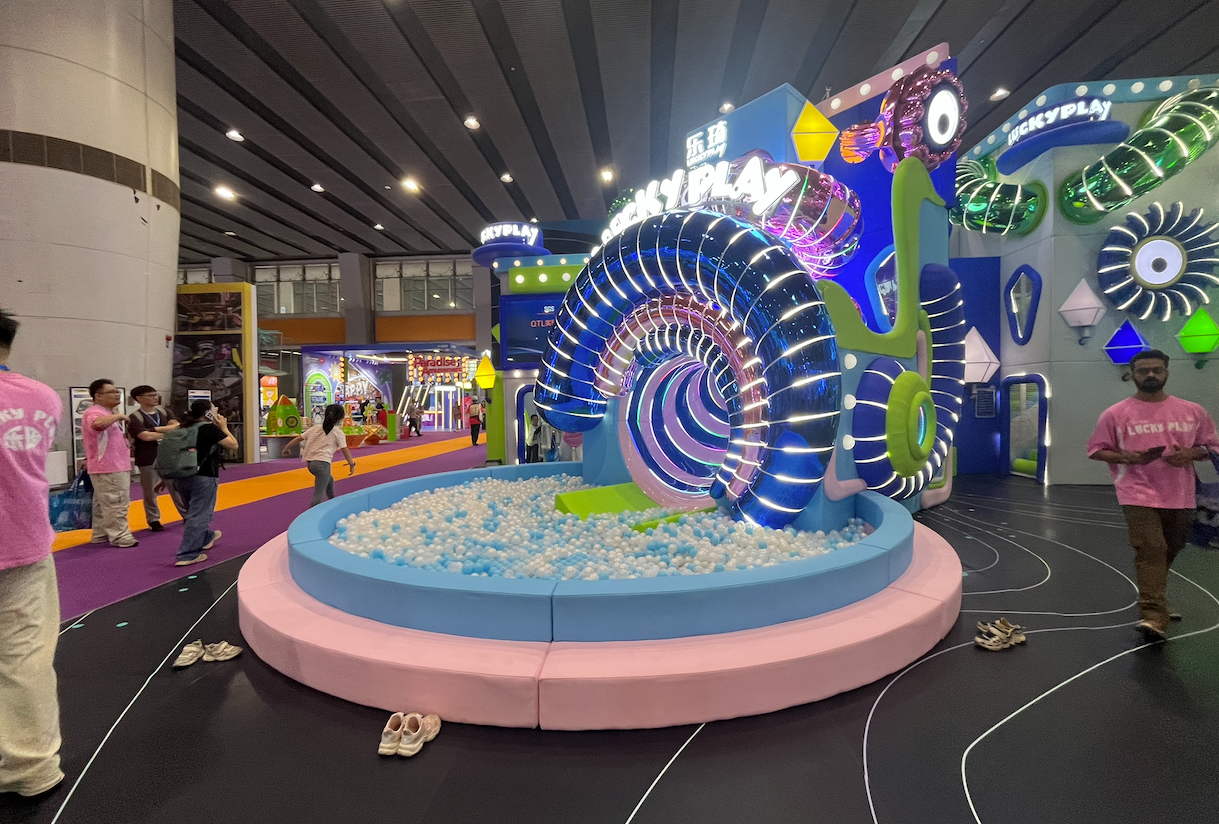
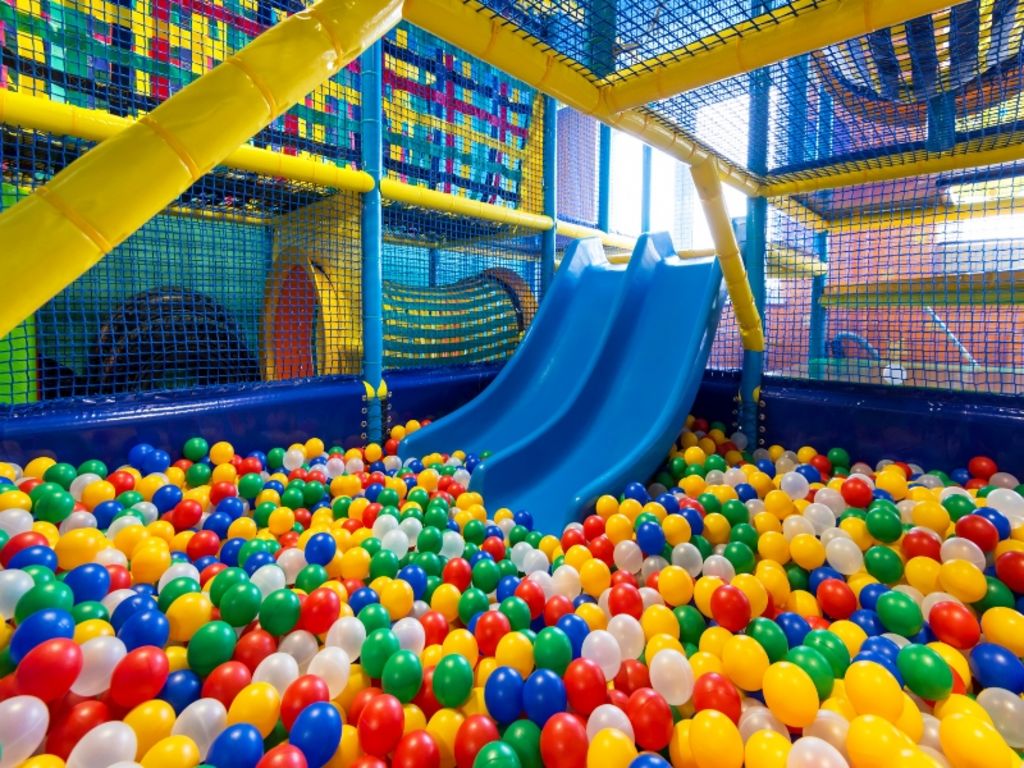
Definition: A ball pit is an entertaining play structure filled with a large number of lightweight colorful plastic balls, typically enclosed by barriers, inflatable walls, or rigid frames. It allows children to jump, roll, dive, and play freely in the balls. These are commonly found in indoor playgrounds, parent-child entertainment centers, kindergartens, and similar venues.
1. Materials
- Pool Structure:
- Inflatable models: Made from PVC mesh-reinforced fabric (durable, waterproof, tear-resistant) or Oxford cloth (lightweight and easy to store).
- Rigid models: Constructed with wooden panels wrapped in impact-absorbing foam (suitable for fixed locations) or interlocking plastic panels (durable and easy to clean).
- Ocean Balls:
- Mainstream materials: Food-grade PE (polyethylene) — non-toxic, odorless, impact-resistant, and resistant to breakage. Some premium options use PP (polypropylene) for greater toughness.
- Low-quality materials: Recycled plastics (may contain heavy metals, plasticizers, odors, or be prone to cracking).
2. Sizes
| Type | Common Pool Dimensions | Ball Diameter (Typical) |
|---|---|---|
| Home Use | 1.5m × 1.5m × 0.5m (small inflatable) | 5cm or 6cm (most common) |
| Commercial Use | 3m × 5m × 0.8m (indoor playground) | 7cm (to prevent accidental swallowing) |
| Large Custom | 10m × 8m × 1m (theme parks) | 6–8cm |
3. Usage Scenarios
- Family Settings: Living rooms or children’s bedrooms (small inflatable models for parent-child interaction).
- Commercial Settings: Indoor playgrounds, maternity and baby stores, parent-child restaurants, kindergartens, and early education centers.
- Event Settings: Shopping mall promotions, children’s birthday parties, trade show interactive zones.
4. Certification Standards
Ball pits must comply with relevant national toy safety standards. Key certifications include:
- China: GB 6675-2014 (Toy Safety) — requires no odor, no sharp edges, impact resistance, and compliant heavy metal levels.
- European Union: EN 71 series (Toy Safety) — covers physical/mechanical properties, flammability, and chemical migration.
- United States: ASTM F963 (Toy Safety) — emphasizes choking hazards, toxicity, and durability. For commercial soft-contained play equipment, ASTM F1918 is often referenced for overall safety and infrastructure.
Commercial ball pits should also meet public venue hygiene standards, including regular disinfection and cleaning requirements.
5. Usage Precautions
- Age Restrictions: Recommended for children 3 years and older. Children under 3 must be supervised by adults at all times to prevent choking or suffocation from balls.
- Cleaning and Maintenance:
- Ocean Balls: Soak weekly in diluted chlorine-based disinfectant or use a dedicated ball pit cleaning machine, then air-dry thoroughly to prevent mold or bacteria growth.
- Pool Structure: Deflate and wipe inflatable models; clean rigid models regularly with disinfectant wipes to avoid dust buildup and stains.
- Safety Checks:
- Prohibit children from bringing sharp objects (e.g., toy knives or hair clips) into the pit to avoid damage.
- Regularly inspect balls for cracks, deformation, or breakage—replace damaged or low-quality ones immediately. Check inflatable pools for air leaks.
- Play Rules: No running, jumping, or stepping on others to prevent collisions or injuries. Adults should avoid excessive play in children’s ball pits to prevent damaging the structure or harming kids.